Compare Local Contractors for Water Line Installation Services
Compare local contractors for water line installation to define project scope, verify experience, and set clear expectations in writing for a successful job.
Water line installation projects typically involve laying new water supply pipes from a main municipal line or well to a property’s internal plumbing system. This work can include excavating trenches, installing underground piping, connecting to existing infrastructure, and ensuring proper sealing and testing of the lines. Proper installation is essential to ensure reliable water flow, prevent leaks, and maintain the integrity of the plumbing system. Understanding the scope of work involved helps property owners communicate their needs clearly and ensures that the chosen service providers are equipped to handle all aspects of the project.
Defining the scope of a water line installation is a crucial step in selecting the right contractor. A clear scope includes details such as the length and route of the pipe, the type of materials to be used, connection points, and any specific site conditions that may impact the work. When scope details are well-defined and put into writing, it helps prevent misunderstandings and sets realistic expectations for the project. This clarity also makes it easier to compare different contractors’ experience, expertise, and approaches, ensuring that property owners can make informed decisions based on the specifics of each proposal.
Property owners can compare local contractors by reviewing their experience with similar water line projects and verifying their familiarity with local infrastructure and regulations. It’s helpful to ask for references or examples of completed work in the area. Additionally, reviewing the scope of services offered, the level of detail in proposals, and the professionalism of communication can provide insight into each contractor’s approach. By focusing on these practical factors, property owners can identify service providers who are capable of delivering quality work that aligns with the specific needs of the project, ensuring a smooth and successful installation process.
Compare local contractors by outlining your project priorities, verifying experience, and clearly defining scope and expectations in writing.
- Verify Experience and Credentials - Ensure contractors have relevant experience and a solid track record in water line installation.
- Define Project Scope Clearly - Outline specific work requirements and expectations in writing to avoid misunderstandings.
- Compare Local Service Providers - Evaluate multiple contractors based on expertise, reputation, and service offerings.
- Request Written Estimates and Agreements - Obtain detailed, written documentation of the scope, materials, and responsibilities before work begins.
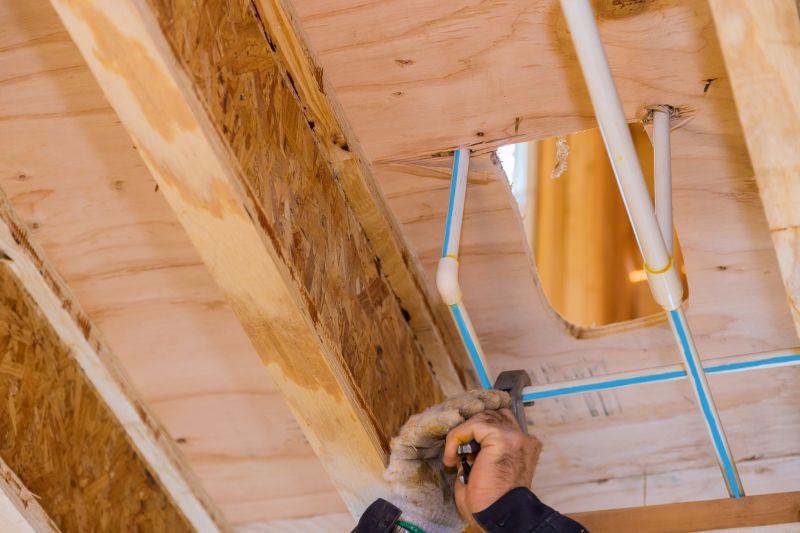
Clearly describe your water line installation project before comparing local contractors to ensure accurate scope and expectations.
- Verify experience and references of local contractors specializing in water line installation. Review past projects to ensure familiarity with similar scope and complexity.
- Define the scope of work clearly in writing, including pipe materials, depth, and connection points. Ensure all details are documented to prevent misunderstandings during the project.
- Check that the contractor follows proper installation practices and adheres to local building codes. Confirm that the chosen service providers are knowledgeable about regional requirements.
- Discuss and agree upon project expectations, including potential disruptions and access needs, in a written agreement. Clear communication helps avoid misunderstandings and sets realistic expectations.
- Request detailed descriptions of the installation process to understand the steps involved and any potential challenges. This helps in assessing the contractor’s approach and expertise.
- Compare multiple local contractors to evaluate their experience, scope definitions, and communication clarity before making a decision. Proper comparison ensures selecting a qualified and reliable water line installation service provider.
Compare local contractors’ experience and clarify project scope to ensure successful water line installation.
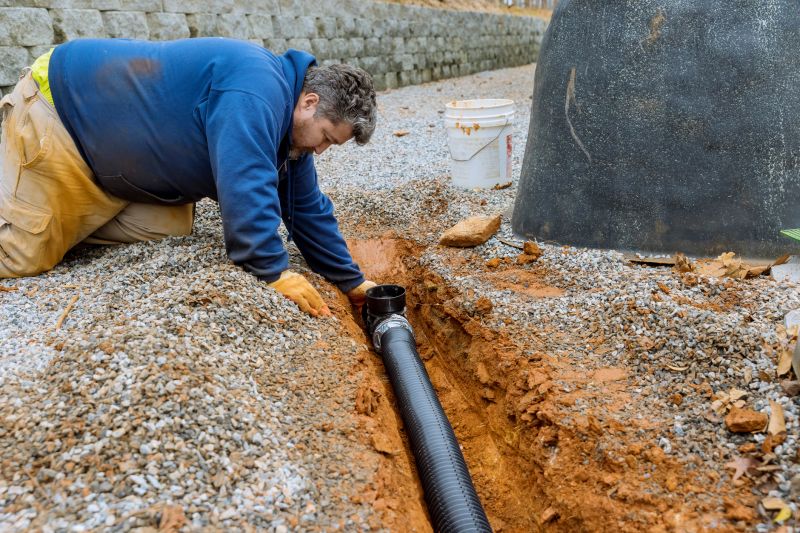
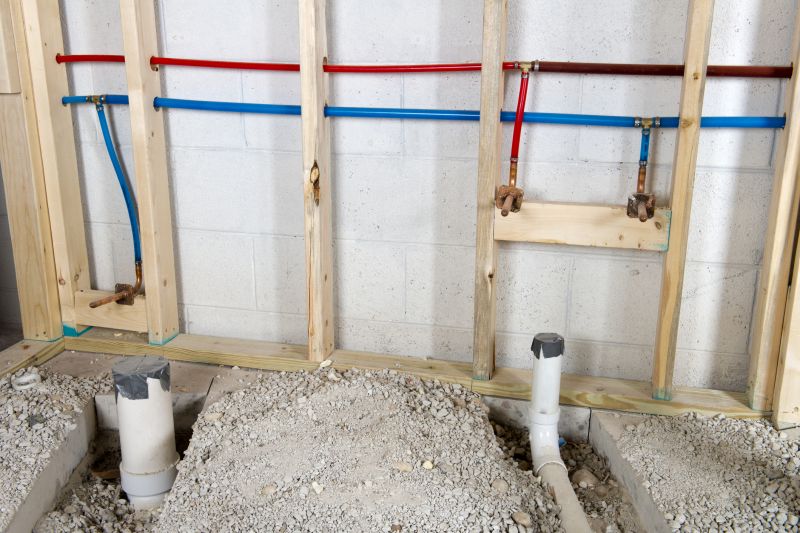
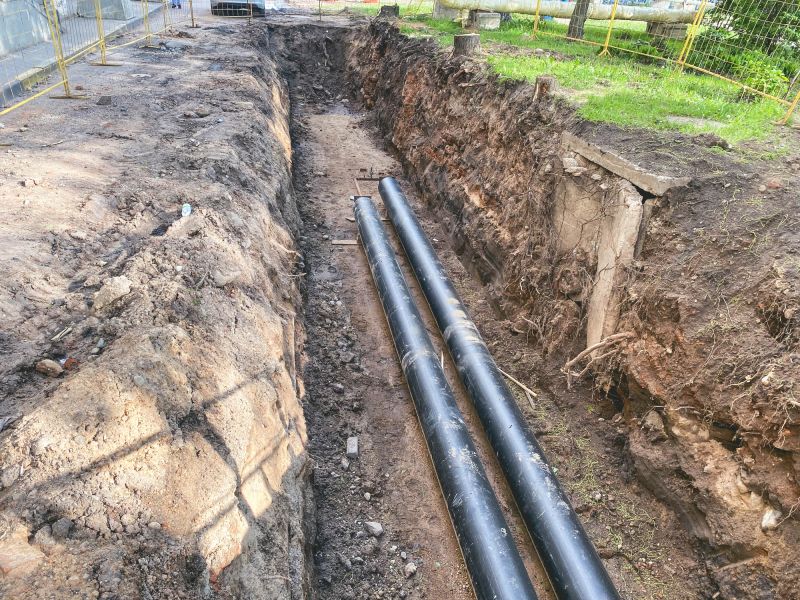
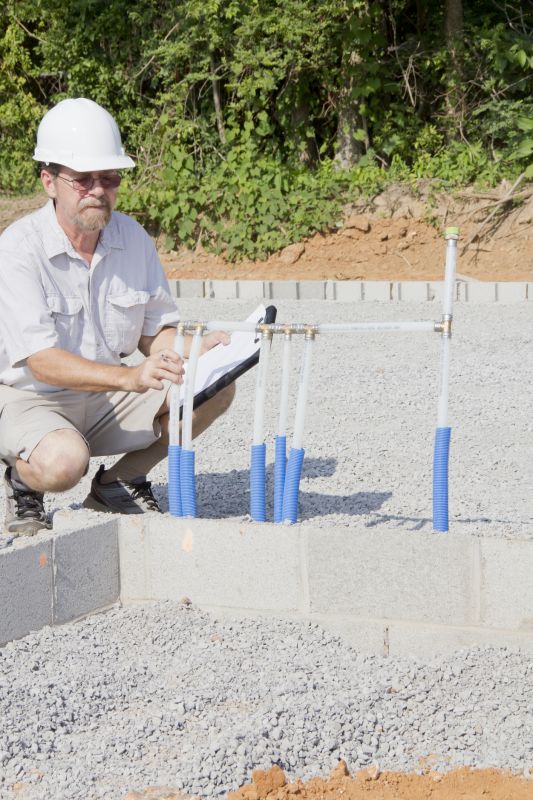
Use consistent comparison criteria to evaluate local contractors’ scope, experience, and written expectations for water line installation.
- Scope Definition - Clearly outline the specific tasks and areas involved in the water line installation project.
- Material Specifications - Identify the types and quality of materials to be used for the water line.
- Experience and Expertise - Verify that local contractors have relevant experience with water line installation projects.
- Workplace Conditions - Assess site conditions that may impact the installation process, such as access and existing infrastructure.
- Written Agreement - Ensure all project details, responsibilities, and expectations are documented in a formal scope of work.
When selecting contractors for water line installation, it’s important to consider their experience with similar projects. Homeowners should inquire about the types of water line installations a contractor has completed, including the size and complexity of previous jobs. A contractor with a proven track record handling projects comparable in scope and setting can offer insights into their familiarity with common challenges and best practices. Verifying a contractor’s experience helps ensure that they possess the practical knowledge necessary to execute the work efficiently and effectively.
A clear, written scope of work is essential to establish mutual understanding and set expectations. Homeowners should seek detailed descriptions of the tasks involved, including the materials to be used, the extent of excavation, and any additional services included. Having this information documented helps prevent misunderstandings and provides a basis for evaluating whether the contractor’s approach aligns with the project’s needs. A well-defined scope also facilitates communication and can serve as a reference point throughout the project.
Verification basics involve confirming a contractor’s experience and reputation through multiple channels. Homeowners can ask for references from previous clients or review any available project portfolios. It’s also beneficial to verify that the contractor has relevant experience with water line installation in similar environments or soil conditions. Additionally, checking for any complaints or disputes through local consumer agencies can provide insight into the contractor’s reliability and professionalism. These steps help build confidence in the contractor’s ability to deliver quality work.
When comparing contractors, focus on how well they understand the project scope and their ability to communicate clearly in writing. Homeowners should evaluate whether each service provider provides comprehensive proposals that detail the work involved, materials, and responsibilities. Asking questions about their approach to handling unforeseen issues or site-specific challenges can reveal their level of preparedness. By assessing these aspects, homeowners can make informed decisions based on the contractor’s expertise, clarity, and professionalism, leading to a smoother and more predictable project experience.
Ask contractors to provide written scope details to ensure clarity and consistency throughout the water line installation process.
- Experience and Credentials - How can I verify the experience and background of local contractors specializing in water line installation?
- Scope of Work - What specific tasks and materials should be included in the scope to ensure clarity between contractors?
- Comparison Criteria - What factors should be used to compare different service providers beyond pricing?
- Work Guarantees - How should the scope of work and expectations be documented to protect the project’s outcome?
- Customer References - What questions should I ask previous clients to assess the reliability and quality of local water line installation contractors?
How can I compare water line installation contractors? To compare local contractors, review their experience, verify their credentials, and examine customer feedback to assess their reputation and quality of work.
What should be included in the scope of water line installation? The scope should clearly define the project details, such as the length of pipe, connection points, materials used, and any additional work like trenching or site restoration.
How do I verify a contractor’s experience with water line installation? Ask about their previous projects, request references, and review any relevant work history to ensure they have the necessary experience for your specific needs.
Why is it important to get work details in writing? Having a written agreement helps set clear expectations, defines the scope of work, and provides a record of what has been agreed upon, reducing misunderstandings.
What questions should I ask a contractor before hiring? Inquire about their experience, the materials they recommend, how they handle unexpected issues, and how they plan to ensure the quality of the installation.
How can I ensure the contractor understands my project requirements? Clearly communicate your expectations, ask for a detailed plan or proposal, and confirm that the scope and specifications are documented before work begins.
Understanding the key steps involved in hiring contractors for water line installation can help ensure the project meets expectations. Visitors learned how to define the scope of work clearly, verify the experience of service providers, and put agreements in writing to establish transparency. Comparing multiple local contractors allows for informed decisions and helps find the right match for the job.
To move forward, consider using the quote form to connect with local service providers who can handle water line installation. This tool makes it easy to explore options, compare offerings, and find the right professionals for specific project needs. Taking this step can help ensure the process aligns with individual requirements and preferences.